Skip to content



Are you a San Diego County resident with plumbing problems?
Leak Detection in San Diego County
For expert Leak Detection Services across all of San Diego County, rely on the advanced technology specialists at Blue Planet Plumbing. Hidden leaks, whether they are inside walls, beneath ceilings, or under your concrete slab, can waste thousands of gallons of water and cause severe structural damage and mold growth before you ever see a drop.
Our licensed technicians use non-invasive, electronic methods to pinpoint the exact source of the leak quickly and accurately. We find the leak so your repair can be targeted, saving you time, money, and unnecessary damage to your home.
Give us a call today (858) 914-4696
Need Leak Detection in San Diego?
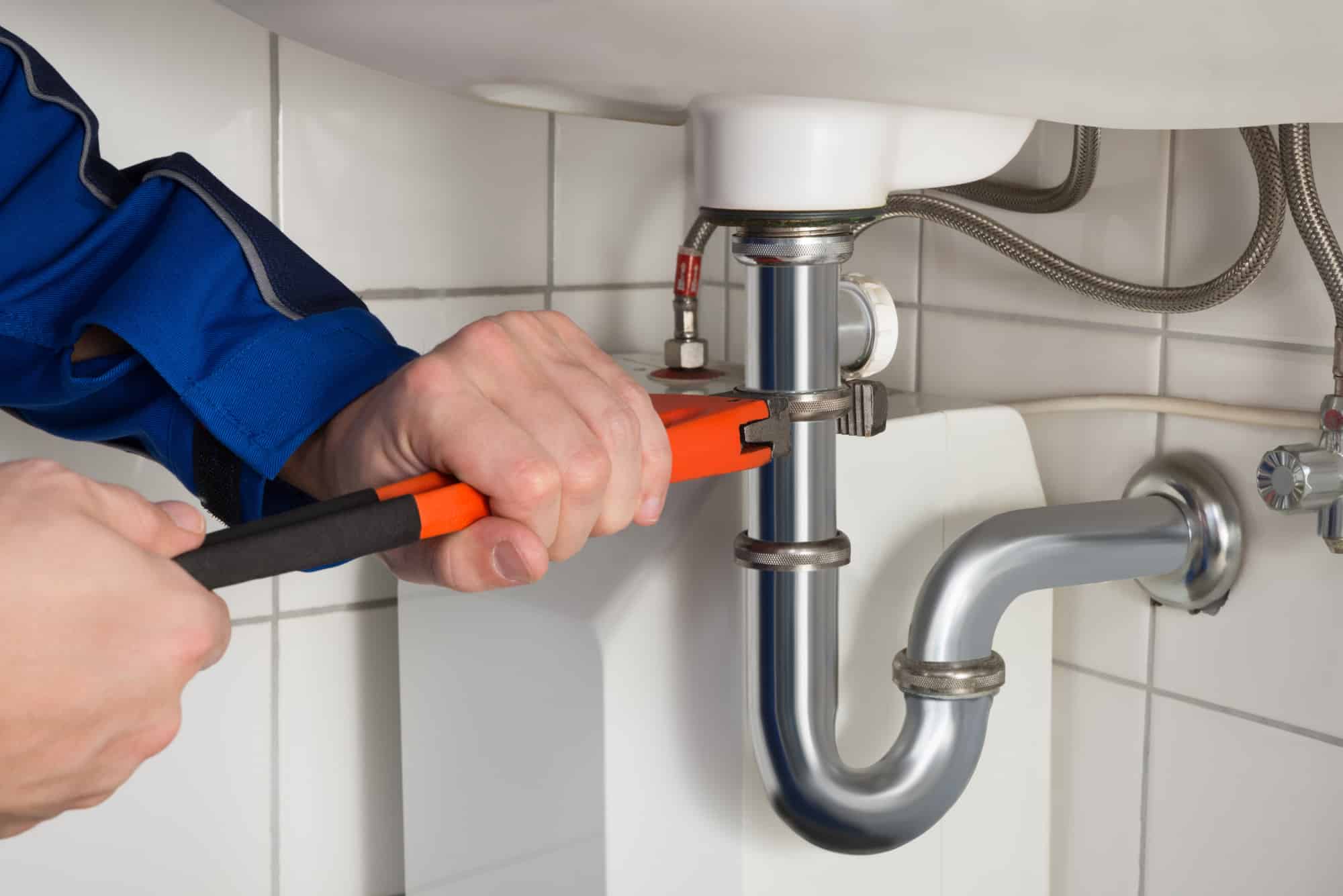
The Hidden Dangers of Unidentified Leaks
A plumbing leak isn’t just about the dripping sound—it’s about the potential for widespread, expensive damage. We specialize in finding these hidden threats:
Yard Leaks: Leaks in the main line between the meter and the house, causing high water bills and washing away soil.
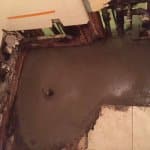
Slab Leaks: Water leaking beneath your foundation, risking structural instability and expensive foundation repair.
Wall & Ceiling Leaks: Leaks damaging drywall, insulation, and electrical systems, leading to hazardous mold and mildew growth.

Signs That Your San Diego Property Has a Hidden Leak
If you notice any of these indicators, call us right away for an inspection:
Low Water Pressure: A noticeable drop in pressure often signals water escaping the system somewhere.
Unexplained Water Bill Spike: A sudden and significant increase in your water bill without a change in usage.
The Sound of Running Water: Hearing water dripping or running when all fixtures and appliances are off.
Damp or Discolored Spots: Wet spots on walls, floors, or ceilings, or unexplained mildew or musty odors.
Hot Spots: Noticing a warm area on the floor, which indicates a leak in a pressurized hot water line beneath the slab.

Our Non-Invasive Detection Technology
We eliminate the guesswork by using the latest high-tech tools, ensuring we only break ground or open walls where the leak actually exists.
Tracer Gas Detection: Introducing an inert, safe gas into the lines that escapes through the leak, allowing a specialized sensor to locate the exact point above ground.
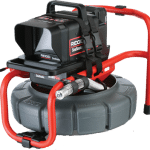
Electronic Listening Equipment: Highly sensitive acoustic equipment that can hear the sound of pressurized water escaping underground or behind solid materials.
Thermal Imaging Cameras: Detecting minute temperature changes in walls and floors caused by the presence of hot or cold leak water.
Pressure Testing: Systematically testing segments of your plumbing to isolate which specific line is compromised.

Don’t Let Leaks Compromise Your Home. Call Blue Planet Plumbing for Accurate Detection Today.
If your water bill is high or you suspect water damage, the clock is ticking. Don’t risk the structural integrity of your home with a hidden leak. Reach out to our expert technicians for fast, reliable leak detection that provides a clear path to a permanent repair. We are focused on the security and confidence you deserve.
Contact San Diego’s trusted, eco-friendly plumbing experts to schedule your service or request immediate assistance.
Plan leak detection around the question you need answered
Tell Blue Planet what you have noticed, where it occurs and when it began. A changing bill, damp area or sound can help describe a concern, but it does not identify the source by itself. Ask whether the proposed visit is to investigate water loss, assess a known leak or plan a repair, and confirm what information the assessment is expected to provide.
Read the detection, access and repair-decision guide
Describe the observations clearly
Explain whether the symptom is constant or intermittent and whether it relates to use of a particular fixture. Mention which areas are affected and whether the condition has changed over time. Share observations you can make safely without opening surfaces, touching equipment or entering a damaged area. Ask which details would be useful for the visit. A clear description is more helpful than selecting a diagnosis from a list of possible leak symptoms and treating it as established.
Share the relevant history
Provide any earlier repair record, inspection finding or available information about the affected line. Tell the team when the work was done and what changed afterward. If another contractor has recommended a repair, share the actual document where possible instead of only a summary. Ask whether the current concern appears to involve the same area or needs a new assessment. An older record helps frame the conversation, but it should not be treated as proof that every later symptom has the same cause.
Confirm the assessment boundary
Ask which system and area the proposed detection service covers. Clarify whether the team is investigating a supply-line concern, an already identified water loss or another observation. If a part of the property cannot be accessed, ask how that affects the result. The report or explanation should distinguish the assessed area from areas outside the agreed scope. A general description of detection services should not imply that every pipe or possible source has been checked during one visit.
Understand what each stage will establish
Ask what the initial assessment is intended to show and what might require further investigation. If a particular test or method is proposed, request an explanation of its purpose and limitations for this situation. Confirm whether further work is included or separately quoted before approving it. A useful assessment leaves you understanding what was found, what remains uncertain and which decision follows. It should not turn the existence of a detection appointment into automatic permission for a repair.
Keep locating and repairing separate
The price and scope for investigating a suspected leak can differ from the price and scope for repairing an identified line. Ask when a repair recommendation will be made and which finding supports it. Request the affected location and the proposed work to be described clearly. If another contractor will handle part of the project, confirm that responsibility. Compare the complete repair proposal rather than assuming a detection charge covers all later pipe work, access and restoration.
Discuss openings and property finishes
If access behind a wall, floor or outside surface is proposed, ask why it is needed and what preparation is included. Confirm who creates the opening, protects the surrounding area and handles finish restoration. Plumbing repair and painting, tiling or concrete reinstatement may be different scopes. Keep that boundary explicit before approval. A small visible wet area does not by itself define the amount of access work, so ask for the reasoning rather than making that assumption from appearance.
Compare repair options against the finding
If the assessment leads to more than one suitable option, ask what each addresses and what it leaves unchanged. A targeted repair and work to a longer line can involve different access, materials and restoration. Request an explanation of why each option is being discussed for the actual condition. Keep optional improvements separately identified. The decision should be based on the inspected problem and full scope rather than on a broad claim that one method always causes less disruption or lasts longer.
Arrange access and decision-making
Tell the office about occupied units, tenants, pets, locked areas and restrictions on parking or entering the building. Identify who can meet the team and who can approve an estimate. If those are different people, agree on how the findings and proposed changes will be communicated. Do not move heavy appliances or enter wastewater to prepare access. Ask which preparation should wait for the visit, and confirm the appointment directly rather than treating an online inquiry as a reserved time.
Keep documentation useful for follow-up
Ask what record will be supplied and whether it identifies the assessed area, finding and any uncertainty. If an owner, insurer or another contractor needs particular documentation, explain that requirement before the visit. A verbal explanation, invoice and formal report can serve different purposes. Ask what is included rather than assuming one record satisfies every recipient. Keep the information with any subsequent repair scope so later decisions can be traced to the actual assessment.
Review the result after repair
If repair is authorized separately, ask how the affected work will be checked and what remains outside its boundary. Keep the detection record, approved scope and invoice together. If dampness or another symptom continues, describe the location and timing and provide the earlier findings rather than assuming the source is unchanged. A later assessment should consider the current observation. Questions about insurance cover or building restoration belong with the relevant provider, while the plumbing record explains the work completed.
Confirm the scope before authorizing work
Ask which assessment, labour, materials and equipment the written estimate includes. Identify access openings, finish restoration, disposal and cleanup separately when they are not part of the same scope. An advertised starting price or special offer does not establish the total for every property. Confirm eligibility and any restrictions before booking. If the diagnosis changes, request an explanation of the proposed additional work and its price before approving it.
Keep a useful record of the visit
Before the visit ends, ask what was found, what was changed and how the result was checked. Confirm whether photographs, video or test results are included for your particular job rather than assuming every service provides the same records. Keep the estimate, invoice and any supplied documentation together. Ask what symptoms would justify another call and which maintenance tasks, if any, are recommended. Request applicable warranty terms in writing, including exclusions and any conditions you need to follow.
Arrange the appointment and access
Describe the problem, your location and who can authorize work. Mention tenants, locked gates, restricted parking and relevant access concerns. An online request is a request for contact; confirm the appointment and current availability with the team. For an urgent problem, use the phone number on the page instead of assuming a form has triggered dispatch. Keep people and pets away from an affected work area.
Leak Detection Methods
Areas We Serve
Leak Detection and full-service plumbing across San Diego County.
CONTACT BLUE PLANET PLUMBING
Need Leak Detection in San Diego? Call Today
Licensed, upfront leak detection for homes & businesses across San Diego County. CSLB #892783.
CALL (858) 914-4696 BOOK ONLINEOUR SERVICE AREA
View on Google MapsLeak detection jobs we have written up
- Electronic leak detection in El Cajon, CA
- Leak detection in Chula Vista, CA
- Gas leak detection in La Jolla, CA
City pages: El Cajon, National City, Coronado.