Skip to content


Licensed Plumber · CSLB #892783
Eco-Friendly Plumbing in San Diego County
Same-day service, 24/7 emergency response, and upfront pricing across San Diego County.
CALL (858) 914-4696 BOOK ONLINEEco-Friendly Plumbing & Water Conservation in San Diego
For expert Eco-Friendly Plumbing services across all of San Diego County, trust the committed professionals at Blue Planet Plumbing. Our company name is our mission: we provide modern, sustainable plumbing solutions that protect your wallet and the planet. In a region where water conservation is critical, choosing green plumbing is not just responsible—it’s smart business.
Make practical plumbing improvements with a clear purpose
An environmentally minded plumbing project should start with the problem you want to solve: a leak, a worn fixture, avoidable water use or equipment that no longer meets the property’s needs. Tell Blue Planet your priorities and ask how each option relates to them. The useful comparison is a defined repair or upgrade suited to the property, with realistic operating and maintenance requirements. A broad green label should not replace the details needed to make that decision.
Read the practical water-use and upgrade planning guide
Start with the existing condition
Describe what is happening now and which fixtures or systems are involved. An active leak, recurring repair and planned remodel present different questions. Provide previous findings or service records where available, and identify anything that already works well and should be retained. Ask what can be assessed before recommending replacement. This keeps the project focused on an observed need rather than assuming that replacing every component is automatically the most appropriate environmental or financial choice.
Define the outcome you want to compare
Explain whether your priority is stopping wasted water, improving everyday use, addressing reliability or planning a renovation. If several goals matter, put them in order. Ask how each proposed option supports those goals and what tradeoffs it introduces. A product may suit one purpose without being the best answer to another. Clear priorities also make it easier to review a phased plan, particularly when a necessary repair can be completed independently from optional fixture or equipment upgrades.
Investigate leaks before buying unrelated upgrades
Tell the team about visible moisture, unexplained running sounds or changes you have noticed in normal use. These observations can justify assessment but do not identify a leak’s location or cause by themselves. Ask what the proposed investigation covers and how findings will guide the next step. A new fixture elsewhere in the property does not address an unresolved leak. Keep diagnosis, repair and optional efficiency changes distinct in the written scope so each decision follows the evidence available.
Choose fixtures for the actual users
For a faucet, shower or toilet update, discuss the room’s use, the preferences of its users and the existing installation. Ask for the exact model rather than comparing a general product description. Review documented operating characteristics and compatibility with the current plumbing. An efficiency-oriented product still needs to perform the intended task and be usable by the people relying on it. Consider handles, reach and maintenance access alongside appearance and any advertised resource-use feature.
Keep product claims specific and documented
Ask which manufacturer information supports the feature being discussed and whether it applies to the exact model quoted. Do not assume a label or certification covers every aspect of performance. If an estimate mentions a reduction in use or operating expense, ask what baseline and assumptions support it. Household habits, existing equipment and actual demand can affect results. Avoid treating a general example as a guaranteed outcome for this property, and keep the documentation with the final product selection.
Compare repair, selective replacement and larger work
A targeted repair may preserve equipment that still suits the property, while replacement may address a different condition or planned change. Ask why each option is recommended and what it leaves unresolved. Compare the total work involved, including access, removal and restoration, rather than the price of one visible part. When larger changes are optional, ask whether they can be separated into a later stage. That makes the immediate decision clearer without committing the household to an undefined upgrade package.
Consider hot-water demand as a system question
If the project concerns hot water, describe the outlets used together, current symptoms and any planned change in occupancy or layout. Ask how the equipment recommendation relates to that demand and the existing connections. A replacement heater does not automatically resolve every delivery or fixture issue elsewhere in the building. Clarify which problem the proposed work addresses and what further evaluation may be needed. Avoid choosing from a headline capacity or a general efficiency claim without understanding the installation requirements.
Account for maintenance and replacement parts
Ask what routine care the chosen equipment requires and how service parts are identified. A product that needs consumables or specialist maintenance should be considered alongside the household’s ability to maintain it. Review instructions for the actual model rather than relying on a generic schedule. Clarify which items are included in the installation and which create later responsibilities. Keeping accessible records and allowing practical service access can be as useful as selecting a new product with an attractive advertised feature.
Plan staged work around the property
Tell the team about an upcoming remodel, tenant change or other work that could affect the plumbing plan. Ask whether immediate repairs can be coordinated with later changes without making unsupported promises about what future work will require. Identify which decisions must be made now and which can wait for more information. A staged written scope helps avoid treating every optional upgrade as an emergency and gives the owner a clearer basis for comparing the present work with a larger renovation proposal.
Review costs and exclusions on a consistent basis
Compare estimates that include the same equipment and installation tasks. Ask about access, connections, removal, disposal and restoration rather than assuming they are all covered by one headline figure. If rebates or incentives are relevant, verify current eligibility through the responsible program before relying on them; do not treat a general mention as an offer. Keep any optional work separate from the work needed to address the original condition. This makes the choice understandable without inventing a payback period or guaranteed savings.
Keep a useful record of the result
At handover, retain the selected models, the completed scope and any operating instructions. Ask how the original problem and the new installation were checked. If you intend to compare future usage, use actual records and account for changes in occupancy or habits rather than attributing every difference to one fixture. Note maintenance dates and later adjustments. This creates a practical record for future decisions and keeps the environmental goal connected to documented work rather than a broad claim about the whole property.
Confirm the scope before authorizing work
Ask which assessment, labour, materials and equipment the written estimate includes. Identify access openings, finish restoration, disposal and cleanup separately when they are not part of the same scope. An advertised starting price or special offer does not establish the total for every property. Confirm eligibility and any restrictions before booking. If the diagnosis changes, request an explanation of the proposed additional work and its price before approving it.
Keep a useful record of the visit
Before the visit ends, ask what was found, what was changed and how the result was checked. Confirm whether photographs, video or test results are included for your particular job rather than assuming every service provides the same records. Keep the estimate, invoice and any supplied documentation together. Ask what symptoms would justify another call and which maintenance tasks, if any, are recommended. Request applicable warranty terms in writing, including exclusions and any conditions you need to follow.
Arrange the appointment and access
Describe the problem, your location and who can authorize work. Mention tenants, locked gates, restricted parking and relevant access concerns. An online request is a request for contact; confirm the appointment and current availability with the team. For an urgent problem, use the phone number on the page instead of assuming a form has triggered dispatch. Keep people and pets away from an affected work area.
We specialize in installing high-efficiency fixtures, utilizing energy-saving technologies, and providing non-invasive services designed to dramatically reduce your home or business’s water consumption and energy footprint.
Save The Environment without Compromising Quality, Performance & Style.
Going green does not mean having low pressure in shower or a toilet that does not flush. Most manufacturers have developed great eco-friendly water efficient fixtures with superior performance and style. Eco-friendly plumbing helps the environment and saves the homeowner money by lowering the water usage sometimes as much as 25,000 gallons per year.
Tankless water heaters, Energy Star Qualified appliances, high efficiency faucets, showerheads and toilets can lower your water bill drastically while offering outstanding performance and style. Today is a great day to go green.
Toilets, Faucets, Shower Heads
Some of the leading companies regarding water efficiency in their products are TOTO, KOHLER , AMERICAN STANDARD , MOEN and GROHE They make superior environmentally friendly products based on their high efficiency technologies and their advanced knowledge in engineering.
Tankless Water Heaters
Tankless Water Heaters also known as on-demand water heaters are a great way to save energy. When you install a tankless water heater the water is flash heated as you are using it. When the hot water is not being used, tankless water heater stops heating the water giving you better efficiency while saving energy. A tankless water heater can last more than 20 years – allowing the energy and replacement savings to outweigh the initial costs. Also there are many rebates and tax credits on ENERGYSTAR qualified tankless water heaters making them the smart choice for any home or business owner
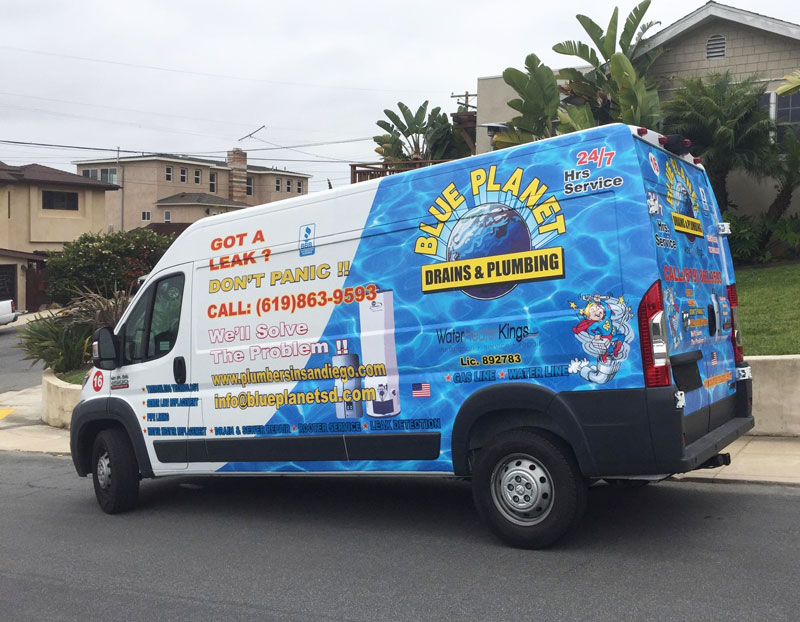
Ready to Connect? Contact Blue Planet Plumbing Today
When you need reliable, professional plumbing service in San Diego County, the team at Blue Planet Plumbing is ready to assist. Don’t let a minor issue become a major problem. We offer free estimates and are available 24/7 for all plumbing emergencies—from slow drains and slab leaks to burst pipes and commercial system failures.
Reach out to San Diego’s trusted, eco-friendly plumbing experts to schedule your service or request immediate assistance.
Eco-Friendly Plumbing FAQ
How does eco-friendly plumbing save me money?
The savings come in three main areas: 1) Water Bills: Installing low-flow fixtures and fixing leaks reduces your consumption. 2) Energy Bills: Upgrading to a Tankless Water Heater reduces the energy needed to keep water hot. 3) Maintenance: Investing in durable, new systems reduces the frequency and cost of repairs.
Are Tankless Water Heaters worth the upfront cost?
Yes. While the installation cost is higher than a standard tank, Tankless Water Heaters have a much longer lifespan (often 20+ years vs. 10-12) and reduce energy consumption by up to 30%. Over the unit’s life, the operational savings far outweigh the initial investment.
Can Blue Planet Plumbing make my entire San Diego home “green” certified?
While we don’t handle official certification, we install all the necessary components—from high-efficiency toilets and faucets to sustainable water heaters—that meet or exceed conservation requirements, putting your home on track for maximal efficiency.
Why is professional leak detection considered “eco-friendly”?
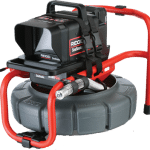
Hidden leaks can waste thousands of gallons of water before you even notice them. Our non-invasive electronic leak detection and quick repair ensure that precious water is not wasted under your foundation or behind your walls.
Eco-Friendly Plumbing Upgrades
Areas We Serve
Eco-Friendly Plumbing and full-service plumbing across San Diego County.
CONTACT BLUE PLANET PLUMBING
Need Eco-Friendly Plumbing in San Diego? Call Today
Licensed, upfront eco-friendly plumbing for homes & businesses across San Diego County. CSLB #892783.
CALL (858) 914-4696 BOOK ONLINEOUR SERVICE AREA
View on Google Maps