Skip to content



Are you a San Diego County resident with plumbing problems?
Tankless Water Heater Installation & Repair in San Diego County
For expert Tankless Water Heater Installation services across all of San Diego County, partner with the certified professionals at Blue Planet Plumbing. Say goodbye to cold showers and wasted energy. Tankless water heaters provide a continuous supply of hot water only when you need it, making them the ultimate upgrade for comfort, efficiency, and sustainability.
As leaders in eco-friendly plumbing, we specialize in the accurate sizing, installation, and maintenance of high-efficiency tankless systems, helping San Diego residents maximize savings on their energy bills while enjoying premium hot water performance.
Give us a call today (858) 914-4696
Need Tankless Water Heater in San Diego?
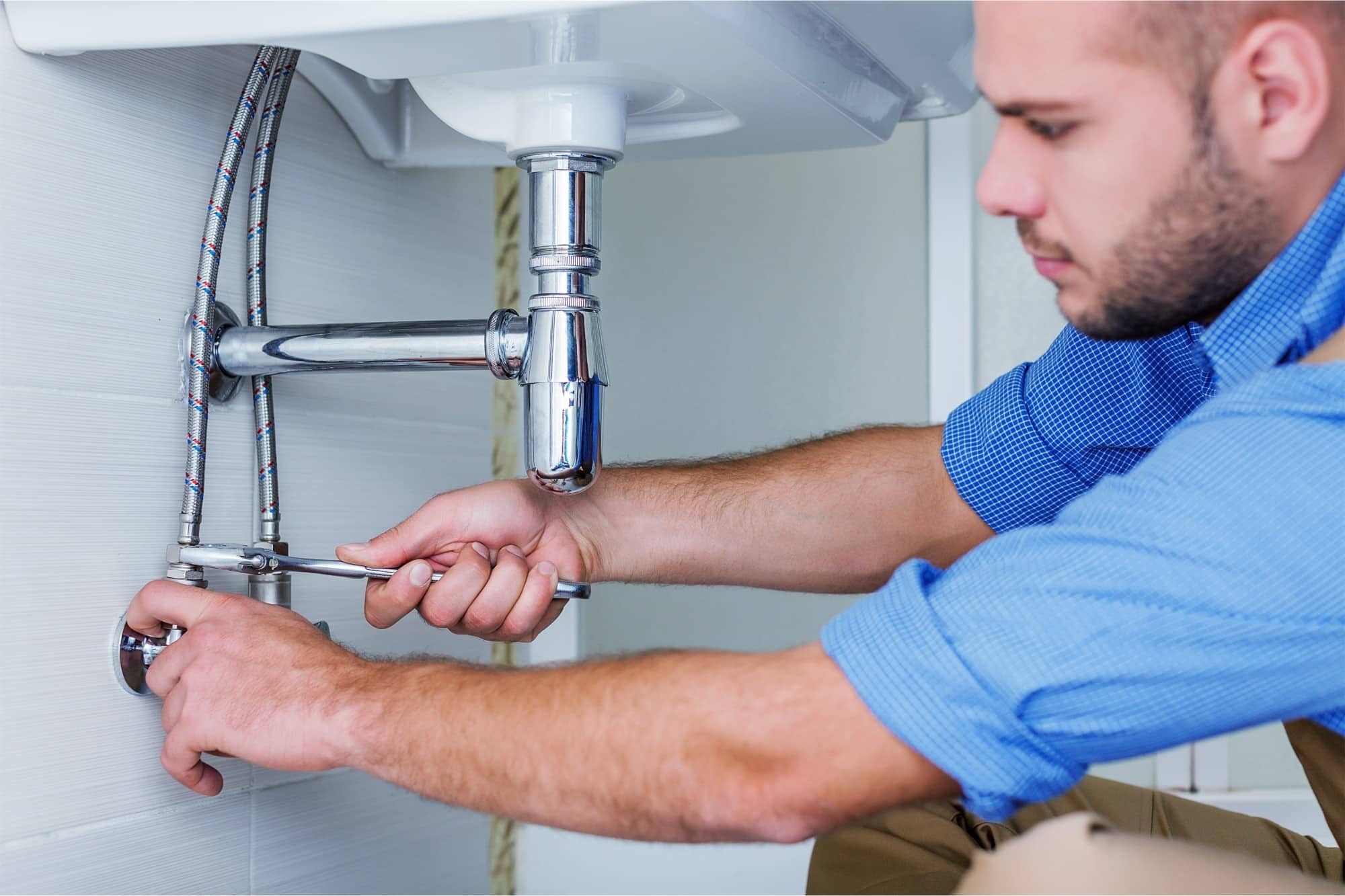
The Tankless Advantage: More Hot Water, Less Energy
Why are tankless systems the preferred choice for modern San Diego homes?
Space Saving: Mounted compactly on a wall, they free up valuable utility room or closet space.
Endless Supply: Never run out of hot water, even with multiple appliances and showers running simultaneously. The water is heated on demand.
Significant Energy Savings: Because they eliminate “standby heat loss” (the constant reheating of water in a storage tank), tankless systems are highly energy efficient, often reducing your utility bills by 15% to 30%.
Longer Lifespan: Tankless units typically last 20 years or more—nearly double the lifespan of a traditional tank model.

1. Expert Installation and Replacement
- Accurate Sizing: We perform a detailed assessment of your home’s hot water demand (flow rate and temperature rise) to ensure your new unit is perfectly sized for your family’s needs.
- Code-Compliant Setup: Professional installation of gas lines, venting, and water lines by licensed technicians, ensuring compliance with all San Diego codes.
- Old Tank Removal: Safe and clean removal and recycling of your old water heater tank.
2. Tankless Maintenance and Repair
Even the best systems need care to maintain efficiency.
Certified Repair: Fast, reliable diagnosis and repair of all major brands by technicians trained specifically on tankless technology.
Annual Descaling/Flushing: Scheduled service to remove mineral buildup (scale) common from San Diego’s water, which is crucial for maintaining efficiency and the unit’s warranty.
Our Certified Tankless Water Heater Services
We handle every step of the tankless water heater process, from initial consultation to long-term care.
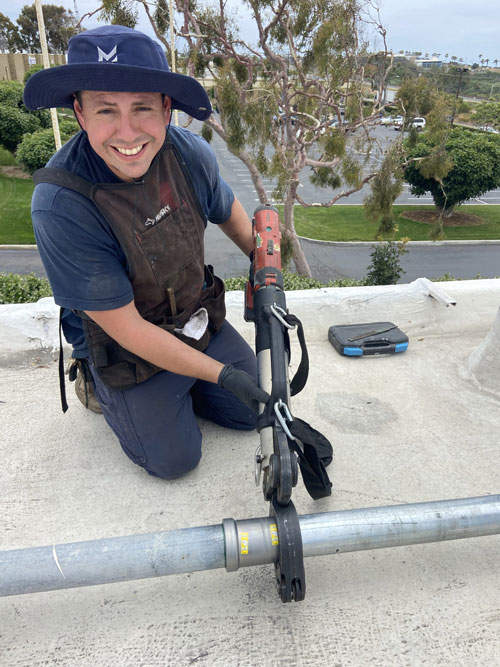
Invest in Your Home’s Future. Connect with Blue Planet Plumbing and Go Tankless!
Choosing a tankless water heater is an investment in your home’s long-term value, comfort, and sustainability. Stop reheating water you don’t use. Take the first step toward lower energy bills and an endless supply of hot water. Contact our certified tankless experts today for your personalized assessment.
Contact San Diego’s trusted, eco-friendly plumbing experts to schedule your service or request immediate assistance.
Decide whether your tankless heater needs service or replacement
Start with the change you have noticed: no hot water, an error message, temperature variation or a planned replacement. Tell Blue Planet the unit’s model if known, where it is installed and whether the problem affects every outlet. A tankless heater is part of a connected system, so the symptom alone does not establish which component needs work. Ask what the initial assessment includes before committing to a repair or choosing new equipment.
Read the tankless assessment and installation planning guide
Record useful symptoms without dismantling the unit
Keep a note of visible error messages, when the issue occurs and whether it coincides with several fixtures running. A photograph of an accessible label can help identify the equipment. Do not remove covers or bypass a safety feature to obtain more information. Mention recent plumbing, electrical or gas work and any service records you already have. These details help frame the assessment, but an error code or an online description should not be treated as confirmation that a particular replacement part is required.
Distinguish a supply issue from an equipment issue
Explain whether cold-water use is also affected and whether the hot-water problem occurs at one fixture or throughout the property. The visit may need to distinguish equipment operation from delivery or fixture conditions. Ask what can be checked within the proposed assessment and what would require a separate investigation. Avoid replacing a heater solely because one shower behaves differently. A written finding should connect the recommended work to the observed problem and identify anything that remains uncertain after the initial checks.
Discuss service history and maintenance requirements
Provide any known maintenance dates and manufacturer documentation. Different equipment and installation conditions can require different procedures, so do not assume a generic schedule or product suits every unit. Ask what the manufacturer specifies for the model and what the proposed service actually includes. Clarify whether the visit addresses a current fault, routine maintenance or both. Keeping that distinction in the scope helps you compare estimates fairly and avoids treating a maintenance appointment as a promise to prevent every future equipment failure.
Assess demand before choosing a replacement
For replacement planning, describe the number of fixtures you expect to use together and any changes to household or business use. Equipment selection needs to consider the intended demand and the conditions at the property rather than a headline capacity alone. Ask how the recommendation was reached and which assumptions it uses. A larger advertised unit is not automatically the most suitable choice. Record the selected model and the reasons for it so the installation scope can be reviewed against the actual requirement.
Make the installation infrastructure explicit
Ask which existing connections can be retained and which require evaluation or alteration for the chosen equipment. Depending on the model and installation, the scope may involve supply, power, venting or other provisions. The contractor should explain applicable requirements rather than assume every replacement is a direct swap. Clarify who evaluates those conditions and whether the estimate includes the resulting work. Any requirement for a separate trade should be identified before a product is ordered or the existing heater is removed.
Plan location and access carefully
Tell the team where the current unit sits and whether access passes through a tenant’s space, locked area or tight utility room. If relocation is proposed, ask how it changes the connections, service access and surrounding work. Do not select a location solely because it frees storage space. The equipment’s requirements and applicable installation rules still need evaluation. Confirm responsibility for wall repairs or other restoration and ask what property access will be needed during installation and any required inspection.
Compare the complete repair and replacement scopes
A repair estimate and a replacement estimate answer different questions. Ask what each option addresses, which components are included and what limitations remain. Compare equipment, removal, connection changes and excluded restoration on a consistent basis. Do not assume a new unit fixes a separate distribution problem elsewhere in the property. If additional findings may change the recommendation, agree on the point at which the team will explain the evidence and seek authorization before expanding the work.
Clarify approvals and scheduling
Ask whether the specific proposed work requires a permit or inspection and who handles the process. Do not assume the same answer applies to maintenance, a component repair and a new installation. Confirm equipment availability and the expected service interruption once the scope is known. If the property has no alternative hot-water arrangement, explain that constraint early. Scheduling should follow a confirmed plan rather than an advertised general service statement that may not reflect the selected equipment or the site’s access conditions.
Understand product terms without assuming coverage
Keep the model, serial information and any existing warranty documents available. Ask which terms apply to the proposed equipment or repair and which organization administers them. Product coverage, installation workmanship and optional service arrangements are separate matters and should be explained separately. Do not assume prior coverage transfers automatically or includes every part of the job. Save the written terms alongside the final scope so future questions can be answered from the actual documents rather than a general marketing statement.
Review the handover and future service access
At completion, ask how operation was checked and where the relevant user instructions and service information are kept. Review any controls you are expected to use, without changing installer settings yourself. Keep the area accessible for later maintenance and retain records of the model and completed work. If the original symptom remains or returns, report its timing, affected outlets and any visible message. This gives the follow-up assessment useful evidence instead of restarting from a vague report that the water is sometimes cold.
Confirm the scope before authorizing work
Ask which assessment, labour, materials and equipment the written estimate includes. Identify access openings, finish restoration, disposal and cleanup separately when they are not part of the same scope. An advertised starting price or special offer does not establish the total for every property. Confirm eligibility and any restrictions before booking. If the diagnosis changes, request an explanation of the proposed additional work and its price before approving it.
Keep a useful record of the visit
Before the visit ends, ask what was found, what was changed and how the result was checked. Confirm whether photographs, video or test results are included for your particular job rather than assuming every service provides the same records. Keep the estimate, invoice and any supplied documentation together. Ask what symptoms would justify another call and which maintenance tasks, if any, are recommended. Request applicable warranty terms in writing, including exclusions and any conditions you need to follow.
Arrange the appointment and access
Describe the problem, your location and who can authorize work. Mention tenants, locked gates, restricted parking and relevant access concerns. An online request is a request for contact; confirm the appointment and current availability with the team. For an urgent problem, use the phone number on the page instead of assuming a form has triggered dispatch. Keep people and pets away from an affected work area.
Tankless vs. Traditional Tank Water Heaters
Areas We Serve
Tankless Water Heaters and full-service plumbing across San Diego County.
CONTACT BLUE PLANET PLUMBING
Need Tankless Water Heaters in San Diego? Call Today
Licensed, upfront tankless water heaters for homes & businesses across San Diego County. CSLB #892783.
CALL (858) 914-4696 BOOK ONLINEOUR SERVICE AREA
View on Google MapsRequest service
Tell us what is going on and we will get back to you with next steps.