Skip to content


Hard water in San Diego County isn’t just an annoyance — it’s quietly shortening the lifespan of your plumbing system, your water heater, your dishwasher, and your shower fixtures. San Diego’s water comes in at 17 to 25 grains per gallon of mineral hardness depending on which water district serves your address, which puts most county homes in the “hard” to “very hard” classification. Here’s what that’s actually doing to your house, and what’s worth fixing.
What “Hard Water” Actually Means
Hard water contains dissolved calcium and magnesium picked up as groundwater filters through limestone and other mineral deposits. The mineral content is measured in grains per gallon (gpg) or parts per million (ppm). The U.S. Geological Survey hardness classification calls anything above 10.5 gpg “very hard.” Most San Diego County is in that range.
What Hard Water Does to Your Plumbing
- Scale buildup inside pipes — calcium deposits narrow the interior of your supply lines, reducing flow and water pressure over time
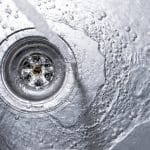
- Mineral crust on fixtures — visible white residue on faucets, showerheads, and around drains
- Clogged showerheads and aerators — flow drops as deposits accumulate in the small openings
- Premature water heater failure — minerals settle in the bottom of tank water heaters and form an insulating layer that reduces efficiency and corrodes the tank
- Tankless heat exchanger fouling — even worse for tankless units that depend on narrow heat exchanger passages
- Soap scum in sinks, tubs, and showers that’s nearly impossible to scrub off long-term
What Hard Water Does to Appliances
Appliances that use water aren’t built to handle the level of mineral content San Diego delivers. The US Department of Energy estimates hard water can reduce appliance lifespan by 30-50% compared to soft water areas.
- Water heater: 6-9 year lifespan in hard water vs 10-12 in soft
- Dishwasher: Spots on glassware, premature pump failure, white film on interior
- Washing machine: Clothes hold detergent residue, fabric wears out faster
- Coffee maker / kettle: Scale buildup on heating elements, off-tasting water
- Ice maker: White flakes in ice, premature failure
Signs You’re Past “Mild Hard Water” Into Real Damage
- White crust at every fixture you can’t scrub off
- Water heater making rumbling or popping sounds (sediment burning at the bottom)
- Soap that won’t lather no matter how much you use
- Skin and hair feel dry and filmy after every shower
- Spots on dishes even after running them through the dishwasher rinse cycle
- Water heater needing replacement before age 10
- Reduced water pressure with no plumbing issue identified
The Fix: Water Softener vs Water Filtration
The two solutions get confused but serve different purposes:
- Water softener: removes calcium and magnesium via ion exchange. Solves the scale problem. Requires periodic salt refills and occasional resin tank service. This is what addresses the hardness specifically.
- Water filtration system: removes contaminants like chlorine, sediment, and chemicals. Improves taste and quality. Doesn’t address hardness.
Many San Diego homes install both — a softener for the plumbing system protection, plus a point-of-use filter at the kitchen sink for drinking water. The math on a softener: $1,200-$2,500 installed pays back in 4-6 years through extended water heater life, appliance longevity, and reduced soap/detergent use.
The Maintenance That Slows Hard Water Damage
If you’re not ready for a softener, you can still extend appliance life with regular maintenance:
- Flush your water heater annually (drain a few gallons until it runs clear)
- Descale tankless units annually — non-negotiable in San Diego, your warranty depends on it
- Run vinegar through your coffee maker monthly
- Soak showerheads and faucet aerators in vinegar quarterly
- Use rinse aid in the dishwasher
- Replace washing machine inlet filters annually
Where Hard Water Intersects With Other Trades
Hard water doesn’t just affect indoor plumbing. Pool and spa equipment in San Diego deals with mineral scale on heaters, salt cells, and pump impellers — specialized pool equipment mineral-management services handle the kind of work most pool owners ignore until the heater fails. And when hard water DOES cause a water heater failure that floods the garage, professional water damage restoration and cleanup services handle the recovery side for property owners in their market.
What to Test Before You Commit to a Solution
Before spending on a softener, test your specific water. Inexpensive test strips give you a rough hardness reading at home. For an accurate reading + recommendations on the right system size, a plumber should run a proper water quality test. Your specific hardness number determines softener size — undersizing means salt bridges and recurring resin failures.
Your San Diego Hard Water Specialists
Blue Planet Drains & Plumbing handles water softener and water filtration installation across San Diego County — Chula Vista, San Diego, Bonita, Coronado, La Jolla, Del Mar, Carlsbad, Oceanside, Poway, and surrounding communities. Our water filtration service includes hardness testing, system sizing, and the maintenance schedule that keeps your investment performing for the long haul. Contact us if your fixtures are losing the battle to mineral buildup.