Skip to content

Gas line work is one area where DIY and even general handyman work crosses a hard line into “licensed plumber only” territory. San Diego homes run natural gas to water heaters, furnaces, ranges, pool heaters, fire pits, and BBQs — and a small mistake on any of those installations carries serious consequences. Here’s the honest breakdown of what’s safe to handle yourself, what’s licensed plumber territory, and the warning signs every homeowner needs to recognize.
The Warning Signs of a Gas Leak
- Sulfur or “rotten egg” smell indoors or near gas appliances — utility companies add this odorant specifically so leaks are detectable
- Hissing sound near a gas line, water heater, or appliance connection
- Dead vegetation in a patch over an underground gas line
- Higher-than-normal gas bills with no usage change
- Pilot lights frequently going out or appliances struggling to ignite
- Soot stains or yellow flames on gas appliances (should be blue)
- Headaches, nausea, dizziness when home, improving when you leave
If you smell gas or suspect a leak: leave the house immediately, don’t operate any electrical switches (including light switches), call your gas company from outside or from a neighbor’s house, and don’t return until they clear it. The California Public Utilities Commission and SDG&E’s gas safety resources provide the official protocols.
Why Gas Work Is Different From Other Plumbing
Water plumbing mistakes cause leaks. Gas plumbing mistakes cause fires, explosions, and carbon monoxide poisoning. The risk profile is fundamentally different, which is why California requires specific licensing for gas piping work. A general contractor or handyman license doesn’t cover gas line work — you need a C-36 plumbing license or specific gas fitting certification.
Other trades handle the fire-suppression side of gas-system risk for commercial properties — commercial fire-system inspection services cover that segment of the work for property owners following any major gas system update.
What’s Safe DIY (Spoiler: Very Little)
- Connecting a flexible gas line to a NEW appliance (only if you’re confident in the connection and follow manufacturer instructions exactly)
- Lighting pilot lights per manufacturer instructions
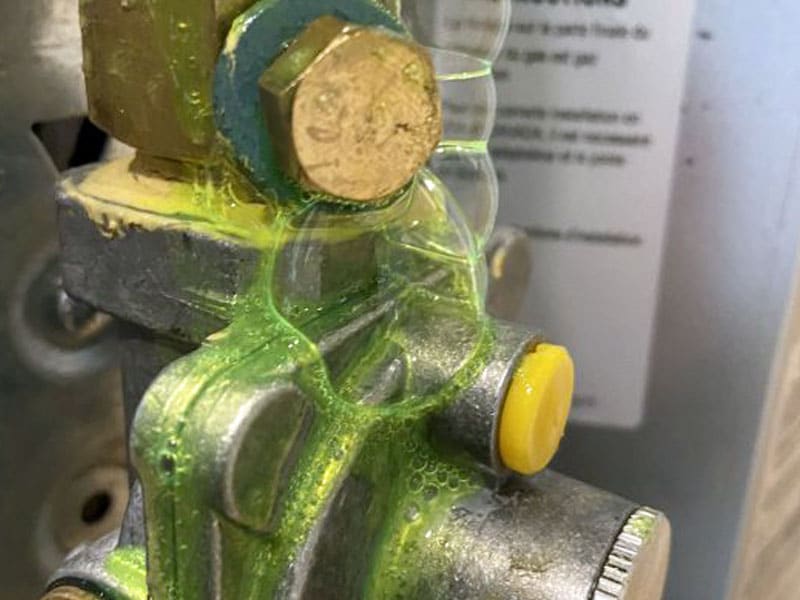
- Checking for leaks with soapy water on visible connections (bubbles = leak)
- Shutting off the gas at an emergency shutoff
That’s basically the list. Anything that involves cutting into existing gas lines, extending lines for new appliances, upgrading pipe sizes for tankless water heaters, or working with gas pressure regulators requires a licensed plumber. Permit is also required for almost any gas line modification in San Diego County.
When You Definitely Need a Licensed Plumber
- Adding a gas line for a new appliance (range, dryer, pool heater, fire pit)
- Upgrading the gas line size for a tankless water heater
- Re-routing gas lines during a kitchen or bath remodel
- Replacing corroded gas pipes
- Installing or moving gas shutoff valves
- Any repair after a confirmed gas leak
- Capping off lines from removed appliances
The Tankless Water Heater Gas Line Issue
One of the most common gas line surprises in San Diego homes: switching from a tank water heater to a tankless requires a larger gas line. A standard 50-gallon tank uses 40,000-50,000 BTUs. A whole-house tankless uses 180,000-200,000 BTUs. The 1/2″ gas line that fed your old tank can’t deliver enough gas for the tankless — you need 3/4″ minimum, sometimes larger depending on run length.
Many homeowners get quoted “$3,500 for the tankless install” and don’t find out about the additional $1,500-2,500 gas line upgrade until the install starts. A good plumber surfaces this during the initial estimate. The US Department of Energy’s tankless guidance covers the gas requirements in detail.
HVAC Connections Are Their Own Specialty
Gas furnaces fall in the overlap between plumbing and HVAC. The gas line to the furnace is plumbing work; the furnace itself, ductwork, and venting are HVAC. Carbon monoxide detectors should be installed on every floor where gas-burning appliances are present — non-negotiable safety equipment regardless of who installed your gas system.
Annual Gas System Inspection
Worth scheduling annually:
- Visual inspection of all visible gas lines for corrosion, damage, or improper connections
- Leak test on each appliance connection
- Combustion test on furnaces and water heaters
- Verification that flex lines are within manufacturer date limits
- Check on gas shutoff valves (they should turn freely)
- Carbon monoxide detector battery test
What to Do Before the Plumber Arrives
- If you smelled gas, evacuate and call the gas company first — they handle the immediate safety issue
- Identify the location of your main gas shutoff (usually outside near the meter)
- Note any appliances making unusual sounds, struggling to ignite, or burning yellow instead of blue
- Have your gas bill handy if there’s been a usage spike
- List what’s changed recently (new appliance, recent remodel, etc.)
Your San Diego Gas Line Specialists
Blue Planet Drains & Plumbing handles gas line installation, repair, and repiping across San Diego County — Chula Vista, San Diego, Bonita, Coronado, La Jolla, Del Mar, Carlsbad, Oceanside, Poway, and surrounding communities. Our gas line repiping service includes the load calculations, permits, and city inspections required for any major gas system work. Contact us if you’ve smelled gas, are planning a tankless water heater install, or want a safety inspection of your existing gas system.