Skip to content


Define the drain or sewer repair before choosing a method
Explain whether the concern is repeated blockage, visible leakage, an inspection finding or another change. Provide previous work records where available. Ask which part of the system is being assessed and what supports a repair recommendation. Restoring flow, correcting one defect and replacing a longer run are different scopes.
Read the pipe-repair assessment and comparison guide
Describe the problem and its history
Tell the team which fixtures are affected, how long the issue has occurred and what earlier work achieved. If another contractor recommended a repair, share the actual findings or scope rather than only a verbal summary. A previous diagnosis may be useful, but the current proposal should explain what condition it addresses. Ask what the initial assessment can establish and which question might require further inspection before the repair is selected.
Separate an obstruction from a defect
Ask whether the finding concerns material in the line, a damaged section or another condition. If clearing is needed to obtain a useful view, confirm its purpose and whether it is part of the quote. A recurring blockage does not by itself specify the required pipe work. Keep the assessment, any cleaning and a later repair separately described so you can understand and approve each proposed stage.
Identify the repair boundary
Ask where the concern is located and which pipe section or connections the estimate includes. Confirm what remains outside the work. A targeted repair should not imply renewal of every connected line. If several concerns were observed, ask why the proposed boundary is appropriate and whether another issue needs a separate decision. Keep that explanation with the written scope so a later visit can distinguish the completed work from untouched sections.
Compare alternatives against the inspected condition
If more than one method is discussed, ask what each is intended to resolve and why it is suitable or unsuitable for the actual line. Compare preparation, access, connections and restoration as well as the price. A general description such as trenchless or replacement does not define the complete job. Request an explanation of limitations and keep optional improvements distinct from the work needed to address the identified defect.
Understand inspection limits
Ask which parts of the line were assessed and whether material, access or another condition limited the view. If more information is needed, establish what the next stage will answer and how it is charged. A recording is useful when the observation and location are explained. It should not be treated as a statement about areas the camera did not assess. Ask for uncertainty to be identified rather than hidden within an overly broad recommendation.
Plan access and any opening
Discuss how the proposed repair will be reached and which property features affect the plan. Mention paving, landscaping, occupied units, restricted parking and known utilities. Confirm who creates and reinstates any opening. Do not assume the pipe-work estimate includes every surrounding finish. If another route becomes necessary, request the revised scope and price before approving additional work, rather than relying on a general description of a similar repair elsewhere.
Arrange interruptions and permissions
Tell the office who uses the connected fixtures and who needs notice during the work. Confirm the person who can provide access and approve changes. Ask which required inspections, permits or other permissions apply and who coordinates them. If access involves a third party, establish that arrangement in advance. A convenient route or preferred time should not be treated as permission or a confirmed schedule without agreement.
Agree on the completion checks
Ask which tests or inspections are included after the repair and what result they are intended to establish. Confirm whether a recording or written explanation will be supplied. The handover should identify the repaired section and any separate observations outside it. Keep that record with the original findings and approved estimate. A completed repair should be described accurately rather than imply that the entire drainage system has been replaced.
Review follow-up without assuming another project
If maintenance or further work is recommended, ask which condition supports it and what the proposed scope covers. Keep any later decision separate from the current authorization. If symptoms recur, provide the work record and explain the new pattern rather than assuming the same defect is responsible. The trenchless-service guide and inspection guide can help prepare relevant questions, while the actual findings should determine the next step.
Confirm the scope before authorizing work
Ask which assessment, labour, materials and equipment the written estimate includes. Identify access openings, finish restoration, disposal and cleanup separately when they are not part of the same scope. An advertised starting price or special offer does not establish the total for every property. Confirm eligibility and any restrictions before booking. If the diagnosis changes, request an explanation of the proposed additional work and its price before approving it.
Keep a useful record of the visit
Before the visit ends, ask what was found, what was changed and how the result was checked. Confirm whether photographs, video or test results are included for your particular job rather than assuming every service provides the same records. Keep the estimate, invoice and any supplied documentation together. Ask what symptoms would justify another call and which maintenance tasks, if any, are recommended. Request applicable warranty terms in writing, including exclusions and any conditions you need to follow.
Arrange the appointment and access
Describe the problem, your location and who can authorize work. Mention tenants, locked gates, restricted parking and relevant access concerns. An online request is a request for contact; confirm the appointment and current availability with the team. For an urgent problem, use the phone number on the page instead of assuming a form has triggered dispatch. Keep people and pets away from an affected work area.
Clarify a staged repair
Some proposals distinguish immediate work from a later, more complete project. Ask what each stage is intended to accomplish and what limitation remains between them. Confirm the price and approval for each stage instead of treating the first visit as authorization for everything discussed. If further investigation is needed before the next scope can be defined, ask what information it will add. Keep the proposed sequence in writing so you understand which result belongs to the current repair and which requires another decision.
Coordinate with the responsible property contact
If a line serves tenants or several units, identify the person who can approve the work and arrange access. Share existing plans or inspection records without assuming they describe every current connection. Ask whether another party needs to be involved before an opening or repair is carried out. A quote for a defined plumbing task does not establish permission to use a neighbour’s land or alter another owner’s system. Keep those arrangements separate and confirmed before the project proceeds.

Are you a San Diego County resident with plumbing problems?
Sewer and Drain Pipe Repair Services in San Diego County
For expert Drain Repair Services across all of San Diego County, depend on the structural pipe specialists at Blue Planet Plumbing. When your drain or main sewer line is cracked, leaking, or has completely collapsed, routine cleaning is no longer enough—you need a professional, guaranteed repair to prevent contamination, costly water damage, and severe backups.
We utilize advanced diagnostic tools to pinpoint the damage and offer the most effective, least invasive options available today, specializing in modern Trenchless Sewer Repair that preserves your property and landscaping.
Give us a call today (858) 914-4696
Need Drain Repair in San Diego?

Signs You Need Professional Drain Pipe Repair
A broken drain line is a serious issue that requires expert assessment. Call us immediately if you notice any of these indicators:
Pest Infestation: Increased presence of rodents or insects, which can enter your property through pipe breaks.
Foul Sewage Odors: Persistent, strong sewage smells coming from your yard, basement, or drains.
Lush/Soggy Lawn: Patches of grass that are unusually green and thick, or areas of your yard that are perpetually wet and sunken.
Recurring Backups: Even after repeated cleaning, clogs return almost immediately.
Foundation Issues: Cracks in the foundation or walls caused by soil erosion from underground leaks.

The Blue Planet Drain Repair Process: Accuracy First
Repairing a drain requires accuracy to avoid unnecessary digging and cost. Our process ensures a perfect, permanent fix.
1. Video Camera Inspection
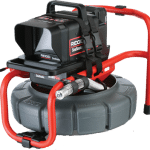
We start every potential repair job with a high-definition Sewer Line Camera Inspection. This is non-negotiable. The video feedback confirms the exact nature of the damage (crack, offset, collapse, or root penetration) and its precise location, allowing us to plan the most targeted repair strategy.
2. Repair Options for Long-Term Reliability
Based on the inspection, we recommend the ideal repair method:
Spot Repair: Fixing minor breaks or isolated joint failures without extensive excavation.
Trenchless Pipe Repair: The preferred choice for minimal disruption. Using modern techniques, we can install a new, durable pipe lining inside the existing damaged pipe, or pull a new pipe through, requiring only small access points. This solution is permanent, eco-friendly, and saves your landscaping.
Targeted Excavation: For a severe, localized break that cannot be repaired trenchlessly (e.g., a completely collapsed section near a foundation), we perform a small, surgical dig to access and replace only the damaged section of pipe.

Why Choose Trenchless Technology?
We prioritize Trenchless methods in San Diego County because they are the smartest long-term solution. Trenchless repair offers a durable, new pipe with a lifespan of 50 years or more, all while avoiding the mess, disruption, and expense of tearing up entire lengths of your property.

Ready to Restore Your Drains? Connect with Blue Planet Plumbing Today!
Don’t live with the hidden risks and foul odors of a failing drainage system. Our expert team is ready to provide an accurate diagnosis and guaranteed repair that lasts. Reach out now to discuss your options and secure your home’s infrastructure. We are here to handle your plumbing emergencies and structural repairs with skill and urgency.
Contact San Diego’s trusted, eco-friendly plumbing experts to schedule your service or request immediate assistance.
Drain & Sewer Repair Options
Areas We Serve
Drain Repair and full-service plumbing across San Diego County.
CONTACT BLUE PLANET PLUMBING
Need Drain Repair in San Diego? Call Today
Licensed, upfront drain repair for homes & businesses across San Diego County. CSLB #892783.
CALL (858) 914-4696 BOOK ONLINEOUR SERVICE AREA
View on Google Maps